Car theft goes global
In the old days, car theft was relatively straightforward. A thief could break the ignition or hotwire the car. You’ve seen this in movies: the thief rips off a panel near the steering wheel, touches a few wires together, and drives off.
Back then, stolen cars were often taken to a local “chop shop,” where they were disassembled and sold for parts. If they didn’t do that, criminals might have used the car to commit another crime and then abandoned it. Some changed the vehicle identification number and resold the car to an unsuspecting buyer. It was a very local business.
But starting in the early 2000s, carmakers upgraded their security systems, and police improved their tracking and enforcement. Hotwiring became nearly impossible. Many modern car parts are more complex and harder to reuse, making chop shops less profitable. And tighter regulations and digital records have made it more difficult to resell stolen cars to everyday consumers.
So is that the end of stolen cars?
It looked like it might be. Car theft declined in the early 2000s, as the technology stopped the low-tech thefts. But now, a new wave of high-tech, global car theft is taking its place.
Here’s how it works in a nutshell:
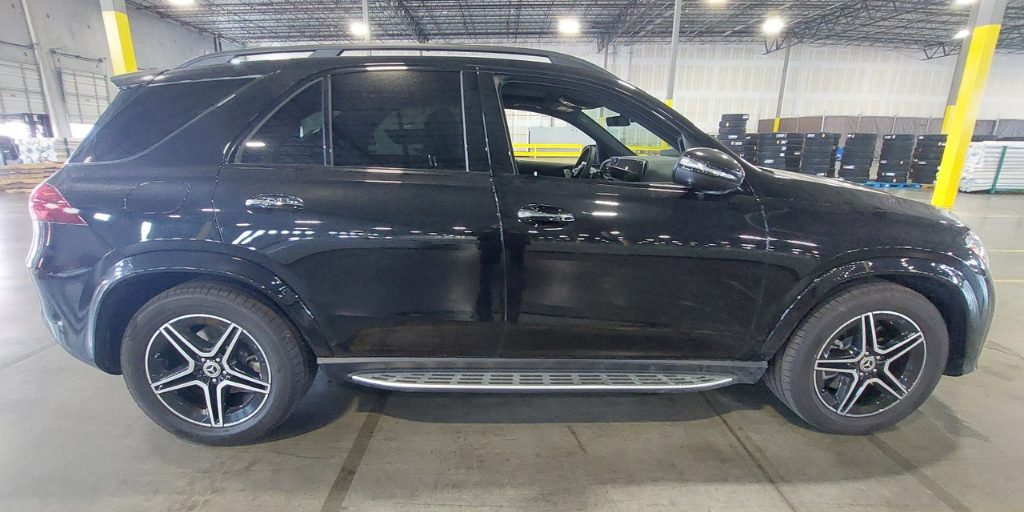
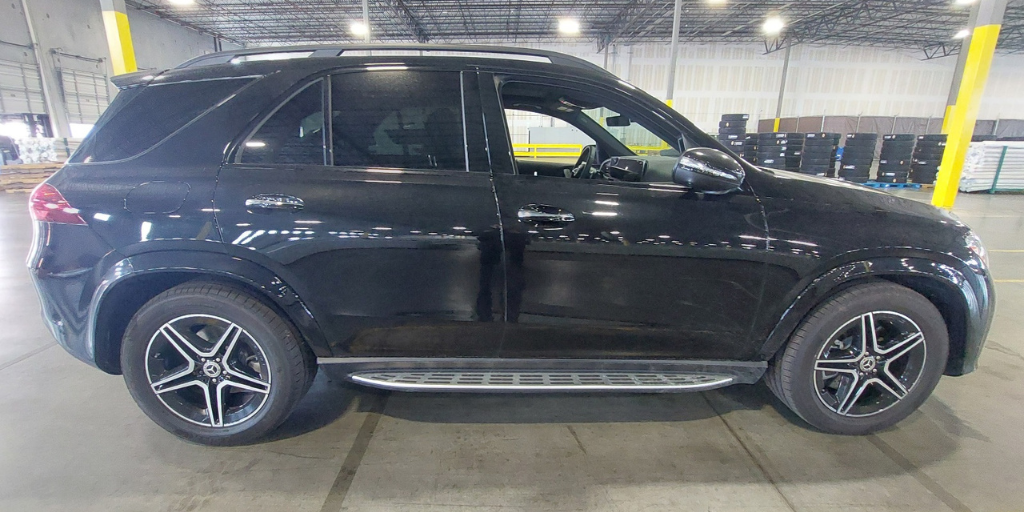
Thieves go after flashy luxury cars and large SUVs in the rich world. Once stolen, the vehicles are loaded into shipping containers and sent overseas, to countries where law enforcement is weaker. One popular destination is the Democratic Republic of Congo. Just days after a car is taken from the quiet suburbs of England, it can be crossing the ocean on a legitimate container ship. A few weeks later, it might be for sale in Africa.
Why is this happening?
In many African countries, it’s prohibitively expensive to buy new cars legitimately from a dealer or carmaker. The reason is, there aren’t enough middle- and upper-class car buyers to sustain a large network of dealerships. Even buyers that have the money might not be able to find new vehicles through legal channels. So the market for stolen cars is there to serve them.
Many of the stolen SUVs end up in West and Central Africa, where demand is strongest. Right-hand-drive vehicles taken from the UK or Japan are shipped to countries like Kenya, Tanzania, and Ghana, which also drive on the left. Left-hand-drive models taken from the U.S., Canada, or mainland Europe go to countries like Nigeria, the Democratic Republic of Congo, and Algeria.
Africa is the largest destination for global stolen cars, but it’s not the only one. Stolen vehicles also make their way to Iraq, the United Arab Emirates, and other parts of the Middle East, where high-end models are in demand.
One thing that all these destinations have in common? Law enforcement is weaker. Police don’t often check vehicle identification numbers against international databases. At ports, customs inspections of containers are limited. And if customs officers start asking too many questions, a small bribe might be enough to make the problem go away. Buyers rarely ask for—and sellers don’t offer—paperwork proving a vehicle’s origin. In many cases, nobody wants to know.
There’s another reason stolen SUVs are in such high demand: ruggedness. Many roads across Africa—even in major cities—are in poor condition. Buyers want SUVs that can handle rough roads and rural areas. And what kind of luxury car is popular among suburban families these days? You got it: SUVs.
These days, car thieves don’t smash windows and cross wires. Instead, they use relay devices. If the true key is nearby—say, on the kitchen table—then a thief in the garage or driveway can use a relay device, which picks up the key’s signal and amplifies it. So the car thinks the key is nearby. The car can be started and driven to a safe spot. And that’s where an onboard computer can program a new electronic key.
The morning after their car was stolen, a family in England watched the whole thing on their security camera’s footage. They saw that it took a thief 63 seconds to start their £100,000 Range Rover in the garage and drive it off.
Thieves also have another trick. They rent expensive SUVs for 30 days, and immediately ship them overseas. By the time the rental car agency reports the car stolen, it’s already in the middle of the ocean.
So now the market’s in place. The demand is there—buyers in countries with weak oversight have enough cash for stolen vehicles, but not enough to afford legal imports. The supply is sitting idle in suburban driveways and rental car lots, where thieves can easily target them.
The only challenge, now, is getting the cars from one place to another. And that’s a story in and of itself—a story we’ll tell next time.
Jeff’s take
There’s an old joke. Albania, in eastern Europe, used to be a destination for stolen Mercedes cars from Europe and the U.K. And so Mercedes cars were frequently stolen and shipped to Albania. Albania was not, at the time, a popular place to go on vacation. So the joke was a satire of what a tourist advertising campaign might sound like—it was a fake tourist ad. The joke went like this: “Come visit Albania. Your car is already here.”
Learn English the way it’s really spoken