How stolen cars move around the world
There is a booming global market for stolen cars. Thieves steal luxury cars and SUV’s from the garages and driveways of England, Canada and America, and they send them to Africa and the Middle East, where they can be sold whole or for parts.
When I first heard this, I was incredulous. How does a stolen car end up on another continent?
The answer is—it’s not as hard as it seems. For the same global supply chain that allows cars to be shipped from factories to consumers can be thrown into reverse—removing those cars from safe streets and reselling them, whole or in parts, on the other side of the world.
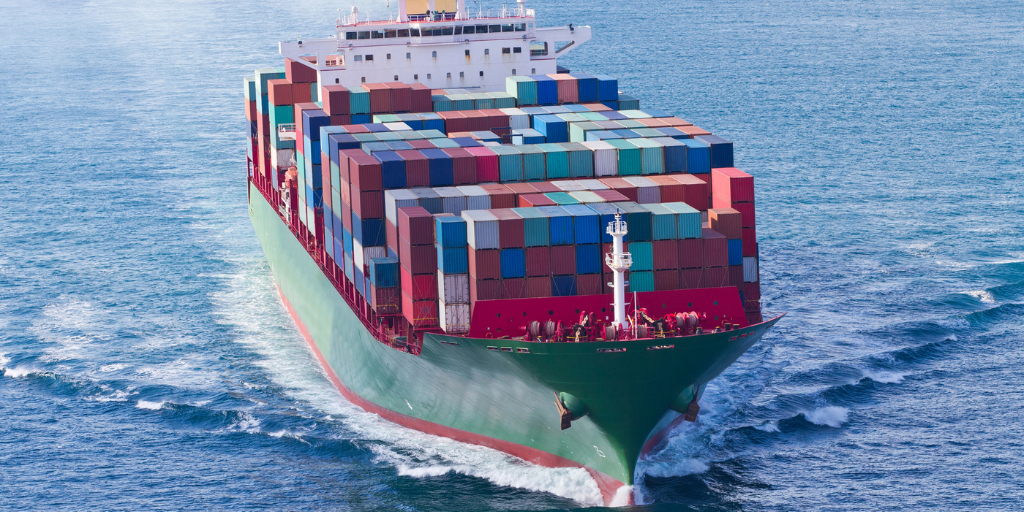
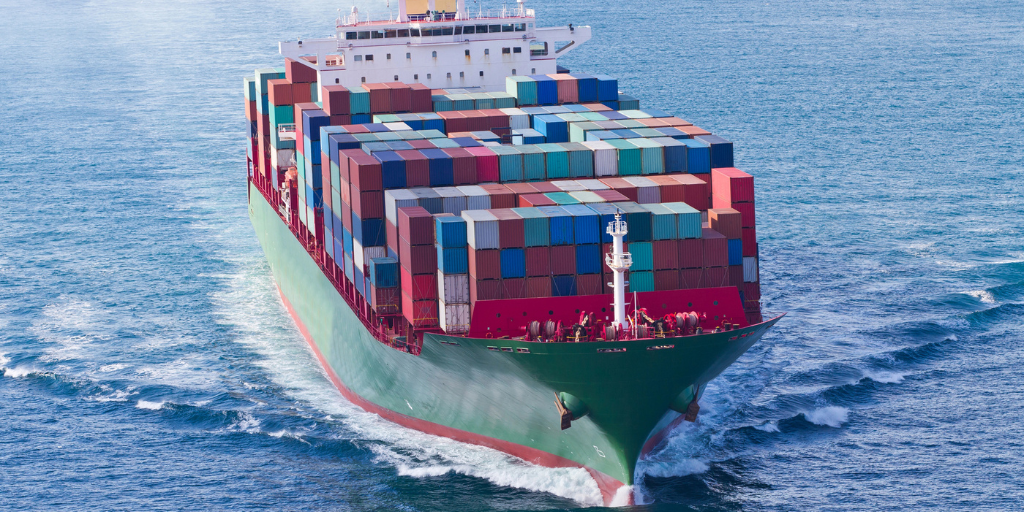
The key is to understand how international shipping works. We’ve all seen the large, oceangoing container ships. They’re piled high with multi-colored, 40-foot-long containers. Those containers all have the same basic design, making them easy to move from a truck to a train to a ship, all without being unloaded or even opened.
And you don’t have to be a big business, you don’t have to have special connections, to ship a container halfway around the world. You just need to use a “freight forwarder.”
In the legitimate market, a freight forwarder handles all the logistics of an international shipment, so that even the smallest business can ship a standard container almost anywhere it wants.
The freight forwarder can deliver an empty container to a warehouse. The business packs it full of merchandise, locks the container, and fills out the paperwork.
Then the freight company handles the rest: road or rail transportation to the port, loading and unloading, and truck delivery to the final destination. And you know what? In most cases, nobody even opens the container.
This system helps move legitimate goods efficiently from one place to another. But it also helps criminals pack and ship stolen goods—no questions asked.
But what about customs? Aren’t they supposed to catch this stuff? Yes, in theory. But most governments care far more about what’s coming into the country than they do about what’s going out of the country. So there aren’t many inspectors looking at outbound shipments from the U.S., Canada, and Europe. And the receiving countries in Africa and the Middle East don’t have the resources—or motivation—to do rigorous inspections on their end.
Customs inspectors also have an impossible job. A single ship might carry 5,000 to 10,000 containers. And a busy port—like the Port of Baltimore in the U.S. or the Port of Tilbury in England—they might see a couple of fully loaded container ships depart each day. There’s no way that every container can be inspected. It takes hours, and costs money, to pull a container, open it, and search it.
Still, customs agents do what they can. At the Port of Baltimore, in the United States, large, U-shaped X-Ray machines can scan unopened containers for suspicious contents. Officers sometimes get tips. In 2024, the U.S. customs office intercepted over 1,000 stolen cars hidden in shipping containers, including a Rolls Royce valued at over $400,000.
But customs only catches a fraction of the stolen cars that move through ports. It costs only a few thousand dollars to ship a container overseas. But one container can fit two, sometimes three or even four stolen cars, all in one. The criminals are making a lot of money on each shipment. So if the odd container gets intercepted, well, that’s just the cost of doing business.
Now, you might imagine this kind of operation is run by powerful, centralized criminal organizations. But in reality, it looks more like a decentralized business network. The trade in stolen vehicles runs on networks of loosely affiliated specialists, kind of like contractors. Each contractor specializes in just one job.
Some, for example, are good at stealing the cars. Others know how to pack them into containers and ship them. Still others have the connections in Africa to find buyers after the cars arrive there.
And thanks to encrypted communications like Signal and Telegram, all these independent contractors can communicate freely with one another—without having to use the burner phones and secret codes of the past. Informal payment networks and cryptocurrency help different parts of the network send money undetected.
The criminal networks also make some hard-nosed business decisions. For example, it sometimes makes more economic sense to saw a car in half, sell the back for scrap metal at home, and only ship the front half, with all the valuable parts, to Africa. A single container can fit many more front halves than full cars.
There’s also evidence that these criminal networks fulfill orders: a customer in Africa wants a Range Rover. They order it up, and a freelancer in a rich country goes hunting for one.
Who pays for all this? Victims of car theft are often reimbursed by their insurance companies. But that cost is passed on to every single car owner. In England, for example, car insurance is 45 percent higher than it was in 2020. And every car renter pays for stolen rental cars with higher fees in the future.
Jeff’s take
This issue has gotten a lot of attention lately. There are some excellent articles out there showing how far these operations go. You can see pictures of shipping containers with mattresses and clothes and pillows all disguising a luxury SUV. You can see these beautiful, expensive cars that have been chopped in half.
What a waste.
Great stories make learning English fun