Water bottles are the new status symbol
When you think of the term “status symbol,” you might think about designer handbags, expensive watches, luxury cars, or even diamond-clad Apple Watches.
But lately, a new kind of status symbol has emerged: the reusable water bottle.
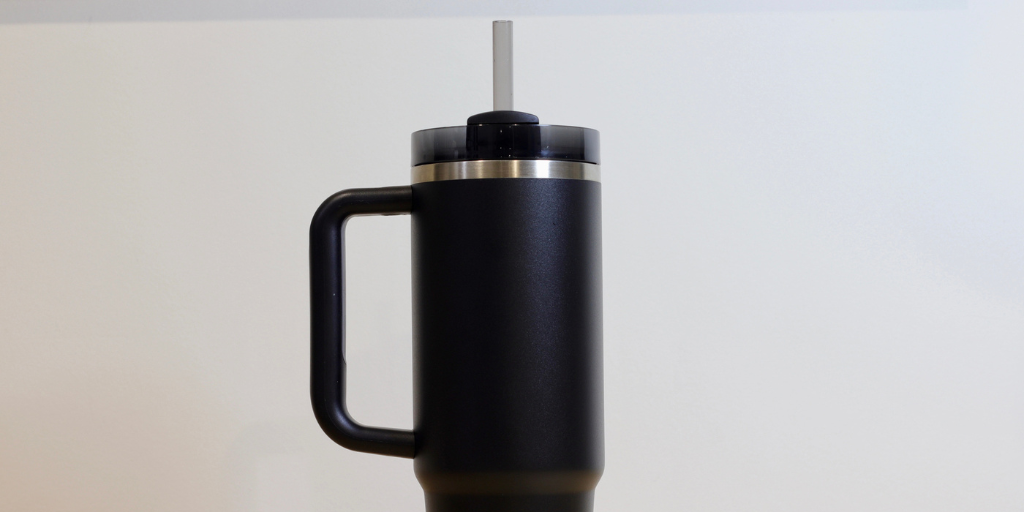
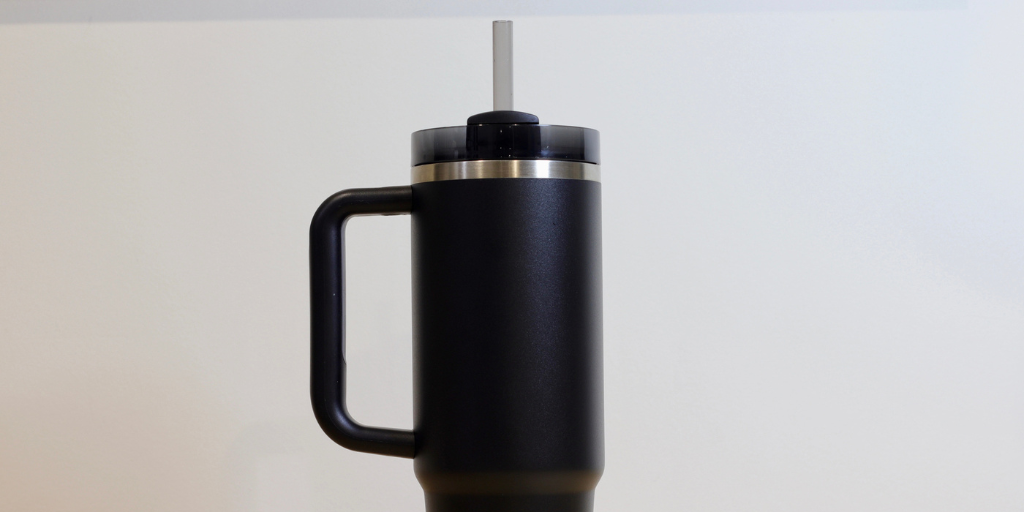
Yeti, Sigg, Hydro Flask, and Contigo are some of the biggest brands, but the leader of the pack is Stanley. The U.S.-based company’s stainless-steel tumblers started flying off the shelves in 2022.
They started trending on TikTok under the hashtag “WaterTok.” People were even camping outside of stores, hoping to be among the first to grab the newest designs. The brand’s success was clear: it went from bringing in $70 million in annual revenue to $750 million.
But Stanley is just the latest reusable water bottle company to make it big. Globally, refillable bottles became a $10 billion industry in 2023. That’s equivalent to the market for electric scooters. And the market just keeps growing.
So, how did an environmentally-friendly alternative to plastic water bottles become such a coveted accessory?
First, the rise of the reusable water bottle wouldn’t have been possible without the rise of health and wellness culture. After the 2008 recession, flaunting wealth through luxury brands lost some of its appeal. In response, subtler ways to signal status emerged: think expensive fitness classes, organic grocery stores, and meditation retreats.
Drinking enough water, or “staying hydrated” was part of that––and of course, you had to look good doing it
At the same time, single-use plastic bottles—even if they’re recycled—came to be seen as wasteful. Celebrities were once photographed with single-use water bottles from brands like Evian or Fiji—the Fiji bottle was especially thick and durable for just a single use. No more: now, reusable is in.
As an added bonus, reusable bottles come in many different styles, sizes, materials and colors. Take the brand HydroFlask. Buyers would personalize their bottles with plastic stickers of internet memes. The brand S’well also had its moment of popularity. For years, the brand offered one model of its curvy bottle in blue. Today, its trademark steel-capped bottles come in more than 200 size-and-color combinations, and many can be customized with monogrammed initials. You heard that right: you can monogram a water bottle!
Stanley’s rise to popularity was a little different. It benefited from a surge of popularity on TikTok. Maybe its most famous moment was a viral video posted by a woman whose car had caught fire. Her burned car was reduced to ashes, but her Stanley water bottle was fine––and the ice in her drink didn’t even melt.
Stanley cleverly handled product releases, too. New designs had almost the same cachet as new versions of Apple products: shoppers would line up outside stores on release day, hoping to be among the first to get their hands on the newest designs.
Wait—what? How many water bottles does one person need? Scroll through social media and you’ll see images of Stanley water bottles in every color of the rainbow, proudly displayed on fans’ shelves. These became collectors’ items, status symbols, and home decorations, all in one.
And, that’s a problem, if one of the reasons you buy a sturdy, reusable bottle is to signal your concern for the environment. There’s still an environmental impact to manufacturing reusable bottles. To truly be a better alternative to plastic, reusable bottles need to be (you know) reused—again and again—by the person who buys them.
The company claims its water bottles are built for life. They never need to be thrown away or replaced. But that’s not how fans are using them. The other issue is Stanley now offers a plethora of accessories—things like backpacks, charms, and phone holders to decorate their cups—and many of those things are made of plastic.
That’s not all. The Stanley cup’s big size, once a selling point for some influencers, can seem like a hassle. Sales are slowing. And other brands are ready to step up.
For example, the Owala FreeSip is becoming more popular on college campuses. It’s less expensive than the Stanley, adaptable and easy to use. Some market watchers suspect that Stanley’s time at the top of the reusable water bottle market is coming to a close. But the trend toward stylish bottles doesn’t seem to be going anywhere.
Jeff’s take
I can’t believe the terminology—we say a brand and a model name like a car. In the same way we say “Ford Mustang,” we say “Stanley Quencher.”
I don’t have a sturdy reusable bottle like a Stanley. I tend to get cheaper, freebie bottles at events, conferences, and things, and just use those. A Stanley seems like a strange status symbol. It used to be, you’d buy a backpack and put a water bottle in it. Now, you buy the water bottle you like and get a backpack that shows it off. Some things I’ll never understand!
Great stories make learning English fun